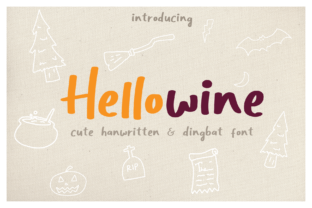
Hellowine: A Handwritten Font with a Human Touch
Hellowine is a unique handwritten font that captures the essence of real, organic writing. Designed to mimic the natural flow and irregularities of human handwriting, it offers a warm, personal aesthetic that stands out in a world dominated by clean, digital typography. Whether used for branding, design projects, or creative expressions, Hellowine brings a sense of authenticity and artistry to any text.
Unlike many other fonts that aim for uniformity, Hellowine embraces variation. Each letter carries subtle differences in shape, size, and spacing, creating a dynamic and engaging visual effect. This irregularity gives the font a more genuine feel, as if it were written by hand rather than generated by a computer. The result is a typeface that feels alive and expressive, perfect for those looking to add a personal touch to their work.
What Makes Hellowine Unique?
The distinctiveness of Hellowine lies in its ability to blend spontaneity with structure. While it maintains legibility, it also allows for creative flexibility. Designers can combine different font styles, add ornamental swashes, or incorporate banners to enhance the overall look. This adaptability makes Hellowine suitable for a wide range of applications, from logos and headings to social media posts and print materials.
One of the key features of Hellowine is its attention to detail. The font includes a variety of stylistic alternatives, such as different stroke endings and flourishes, which can be used to customize the appearance. These elements allow users to create a more personalized and sophisticated design without sacrificing readability. Additionally, the font’s natural imperfections help avoid the sterile feel often associated with digital typography.
Comparing Hellowine with Similar Options
When considering handwritten fonts, Hellowine sits in a category that includes other popular options like Brush Script, Lobster, and Pacifico. Each of these fonts has its own strengths and limitations, making them suitable for different use cases. For example, Brush Script offers a more formal, elegant look, while Lobster is bolder and more dramatic. Hellowine, on the other hand, strikes a balance between casual and refined, offering a versatile option for a broad range of projects.
Compared to more stylized options, Hellowine provides a more natural and less exaggerated appearance. This makes it ideal for situations where a subtle, authentic feel is desired. However, it may not be the best choice for projects that require a strong visual impact or a highly stylized look. In such cases, fonts with more pronounced characteristics might be more appropriate.
Strengths and Tradeoffs of Hellowine
Hellowine excels in scenarios where a personal, handmade aesthetic is valuable. It works well for branding that aims to convey warmth, creativity, or individuality. Its versatility also makes it a good choice for designers who want to experiment with different typographic combinations. The font’s ability to blend with other styles adds to its appeal, allowing for greater creative freedom.
However, there are some tradeoffs to consider. The irregular nature of Hellowine can sometimes make it less suitable for long blocks of text. In such cases, the font may appear inconsistent or difficult to read, especially at smaller sizes. Additionally, because of its unique character, Hellowine may not always align with the expectations of more traditional or corporate audiences. Users should carefully evaluate whether the font’s style matches the tone and purpose of their project.
Best Fit Situations for Hellowine
Hellowine is particularly effective in contexts that benefit from a personal or artistic touch. It is commonly used in wedding invitations, greeting cards, and promotional materials where a custom, handcrafted feel is desired. The font also works well for social media content, such as Instagram posts or Twitter headers, where a unique visual identity is important.
For businesses or brands that want to communicate a sense of approachability and creativity, Hellowine can be a powerful tool. It is especially useful for startups, independent artists, or small businesses looking to stand out in a competitive market. However, it may not be the best fit for industries that prioritize professionalism and consistency, such as finance, law, or corporate communications.
When Hellowine May Not Be the Right Choice
In certain situations, Hellowine may not be the optimal choice. For instance, when clarity and precision are paramount, a more structured font might be preferable. This is often the case in technical documents, legal forms, or instructional materials where readability is critical. In these instances, the irregularities of Hellowine could potentially hinder comprehension.
Additionally, Hellowine may not be the best option for large-scale printing projects where consistency is essential. While the font’s variations add character, they can also lead to inconsistencies in how the text appears across different mediums. Designers should test the font in various formats and sizes to ensure it meets their specific needs.
Practical Examples and Use Cases
Consider a small business owner launching a new line of handmade candles. They might choose Hellowine for their logo to reflect the artisanal nature of their products. The font’s organic look would complement the brand’s message of craftsmanship and care. Similarly, an artist creating a portfolio website could use Hellowine for headings and captions to add a personal, creative flair.
On the other hand, a financial services company would likely opt for a more conventional font to convey reliability and professionalism. In this case, Hellowine’s informal characteristics might not align with the brand’s image. Instead, they might choose a serif or sans-serif font that exudes stability and trustworthiness.
Conclusion: Choosing the Right Font for Your Needs
Hellowine offers a compelling alternative for those seeking a handwritten font that combines authenticity with versatility. Its natural, hand-lettered appearance makes it ideal for creative and personal projects, but it may not be the best fit for every situation. By understanding its strengths, limitations, and best-fit scenarios, users can make informed decisions about whether Hellowine is the right choice for their specific needs.
Ultimately, the decision to use Hellowine depends on the goals of the project, the target audience, and the desired visual identity. When used appropriately, it can elevate the design and add a unique, human element that sets it apart from more standardized options.